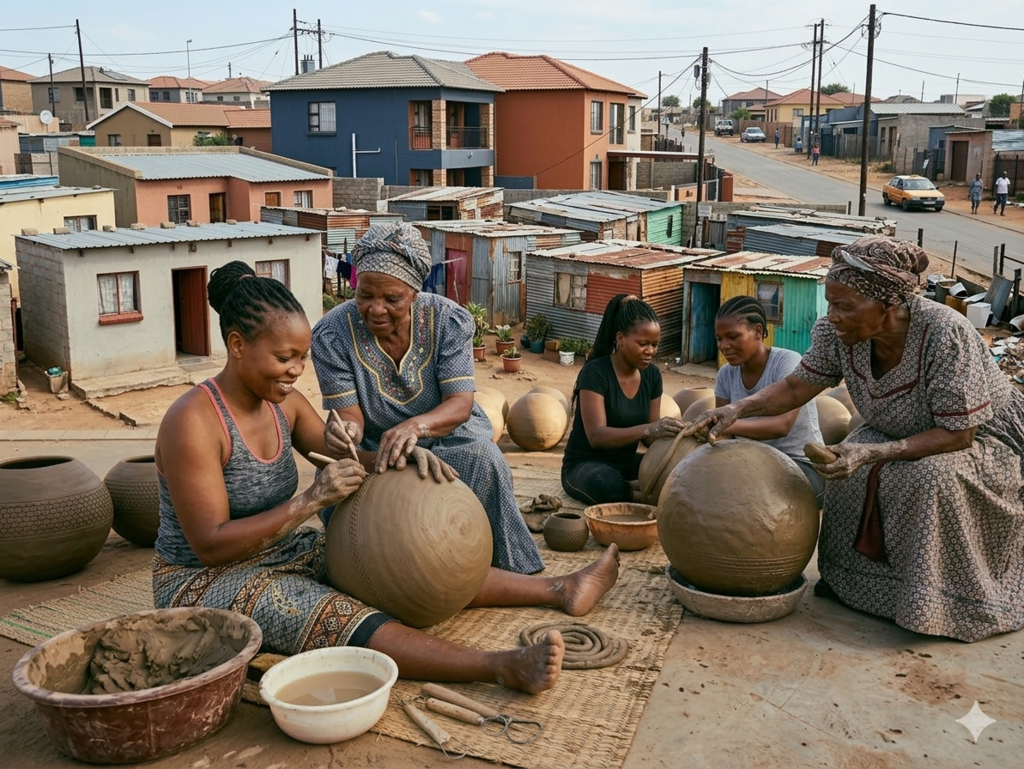
For many women—especially in underserved and rural communities—abuse is endured not out of choice, but necessity. Economic dependency becomes a tool of control, reinforcing cycles of silence, fear, and entrapment.
Children raised in these environments are profoundly affected. Exposure to abuse normalises violence, increasing the likelihood that they either become victims or perpetrators later in life. Many experience emotional trauma, anxiety, poor academic performance, and long-term psychological harm. In some cases, children are directly abused—physically, emotionally, or sexually—within these unstable households. This creates an intergenerational cycle of violence, where harm is inherited and perpetuated, eroding the social fabric of communities.
Girl children raised in such contexts face particularly heightened vulnerability. Growing up in environments where abuse is normalised weakens protective boundaries and increases exposure to predatory behaviour. These girls are significantly more likely to be targeted by sexual predators through grooming, coercion, and statutory rape. In many cases, poverty and instability increase their exposure to unsafe spaces and individuals, while limiting access to protection and support systems. This vulnerability is strongly linked to higher rates of teenage pregnancy—often not by choice, but as a result of coercion, manipulation, or abuse—thereby reinforcing cycles of gender inequality, trauma, and economic dependence across generations.
The broader societal impact of gender-based violence (GBV) is severe. It places strain on healthcare, social services, and the justice system, while reducing economic productivity and community stability. GBV undermines national development, weakens family structures, and perpetuates inequality, making it not only a social crisis but an economic one.
iSIBA (Indigenous Knowledge Systems Business Accelerator) offers a transformative solution by addressing the root cause: economic disempowerment. Through skills development, mentorship, and enterprise support grounded in Indigenous Knowledge, iSIBA enables women to build sustainable livelihoods in sectors such as natural medicine, cosmetics, and wellness. By fostering financial independence, women gain the agency to leave abusive environments safely. Simultaneously, iSIBA restores dignity, protects cultural knowledge, and builds resilient local economies—breaking cycles of violence and creating pathways for healing, empowerment, and generational change.
Importantly, iSIBA is designed to be financially sustainable. The programme generates revenue by partnering with the private sector—particularly the retail sector—to provide direct market access for products developed by its participants. Through offtake agreements, co-branding opportunities, and integration into formal retail value chains, iSIBA ensures that women-led enterprises move beyond subsistence into scalable, income-generating businesses. A portion of this commercial activity sustains the accelerator itself, reducing reliance on donor funding while strengthening long-term impact, ownership, and economic resilience.